

The Remaking Trade Project/Yale Center for Environmental Law and Policy had a busy week in Yaoundé, Cameroon for the World Trade Organization’s 14th Ministerial Conference (MC14)
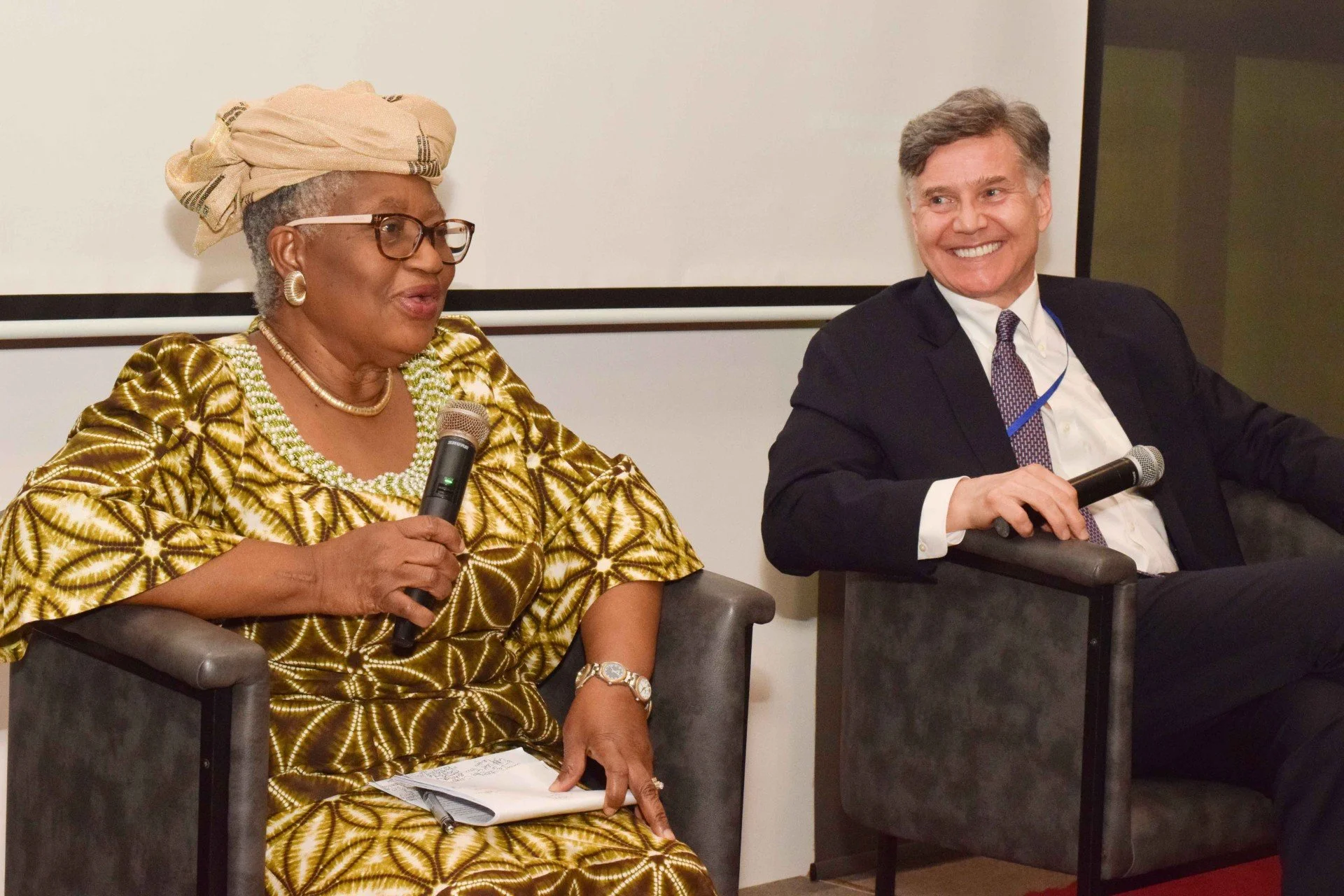
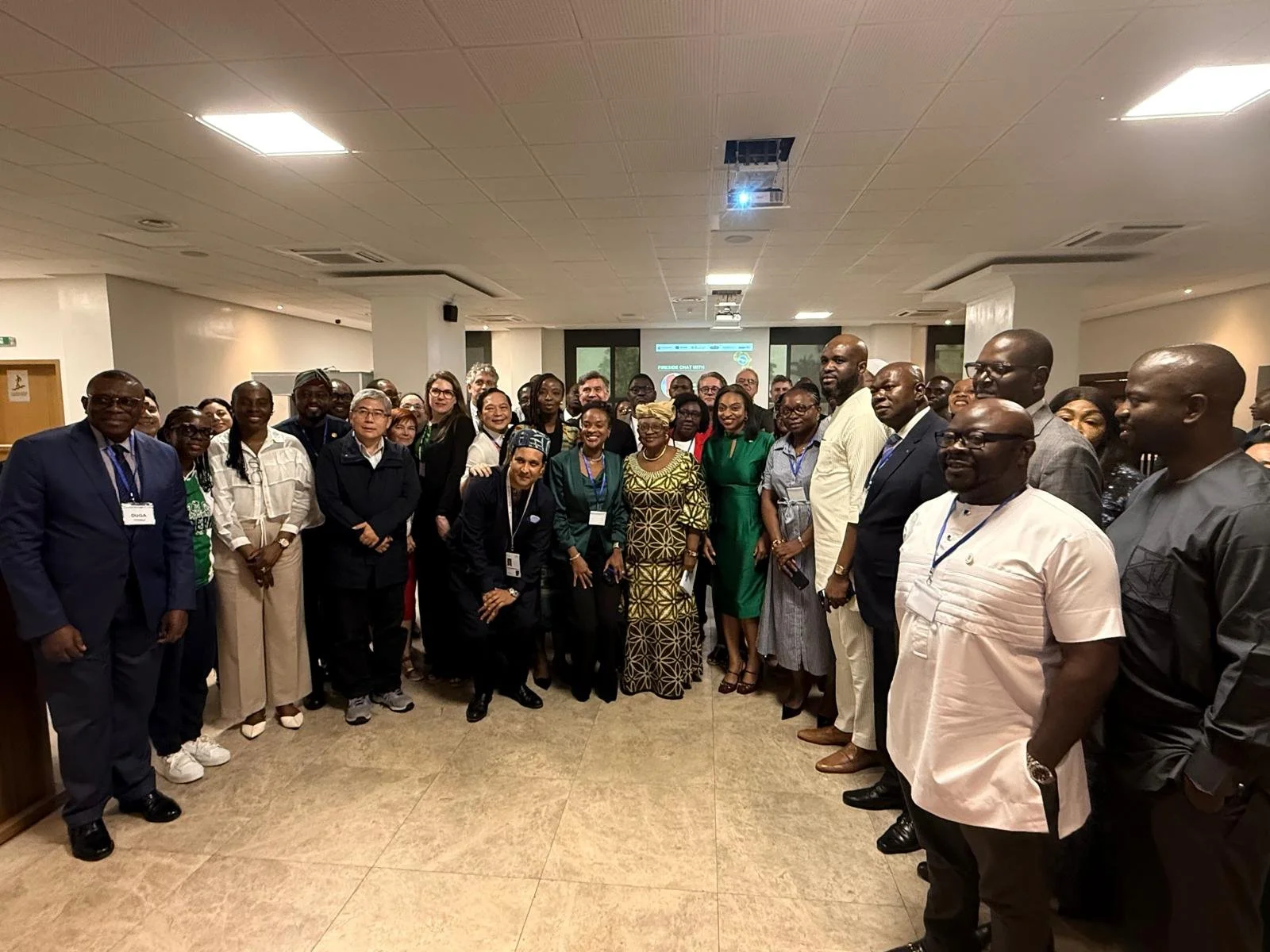
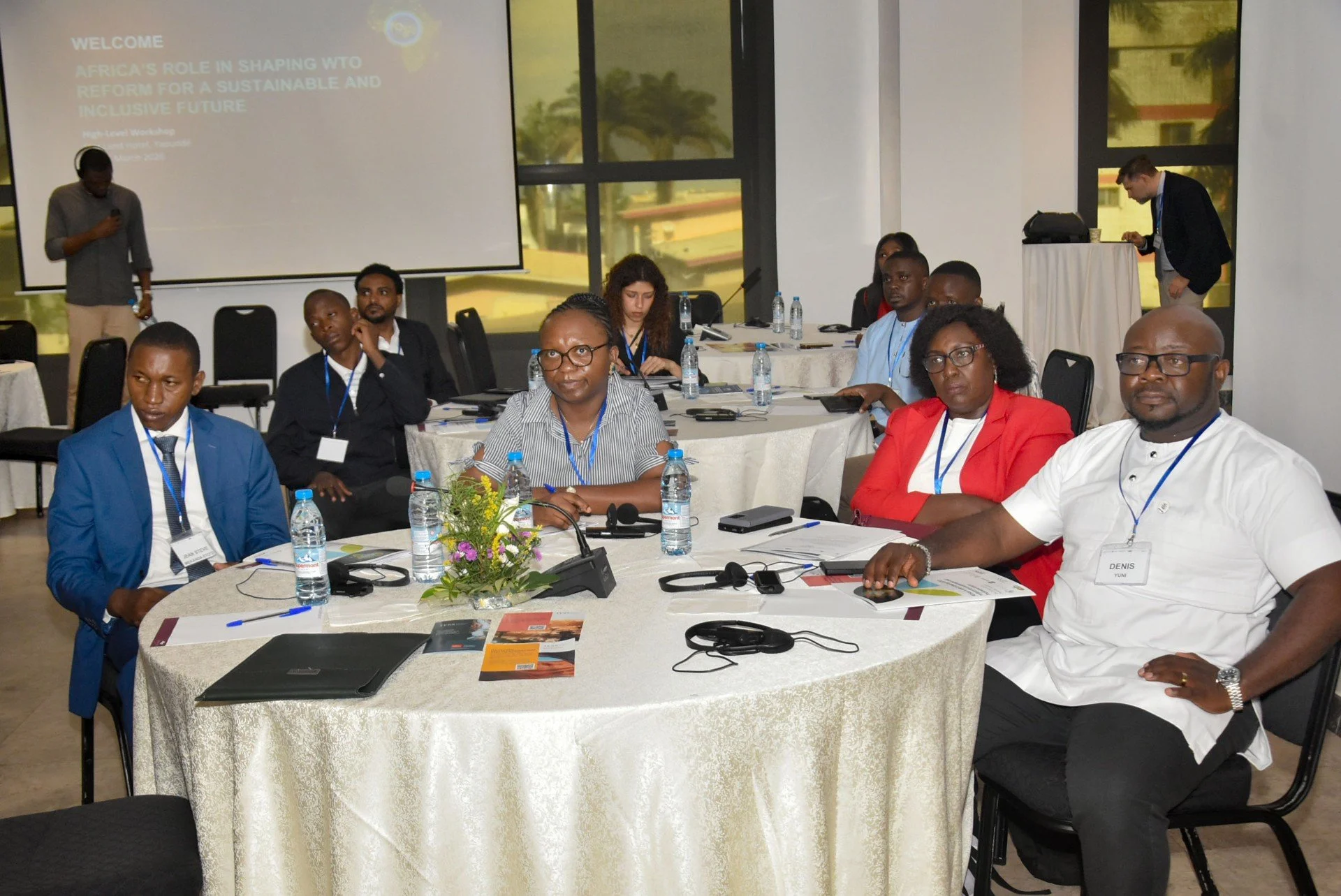
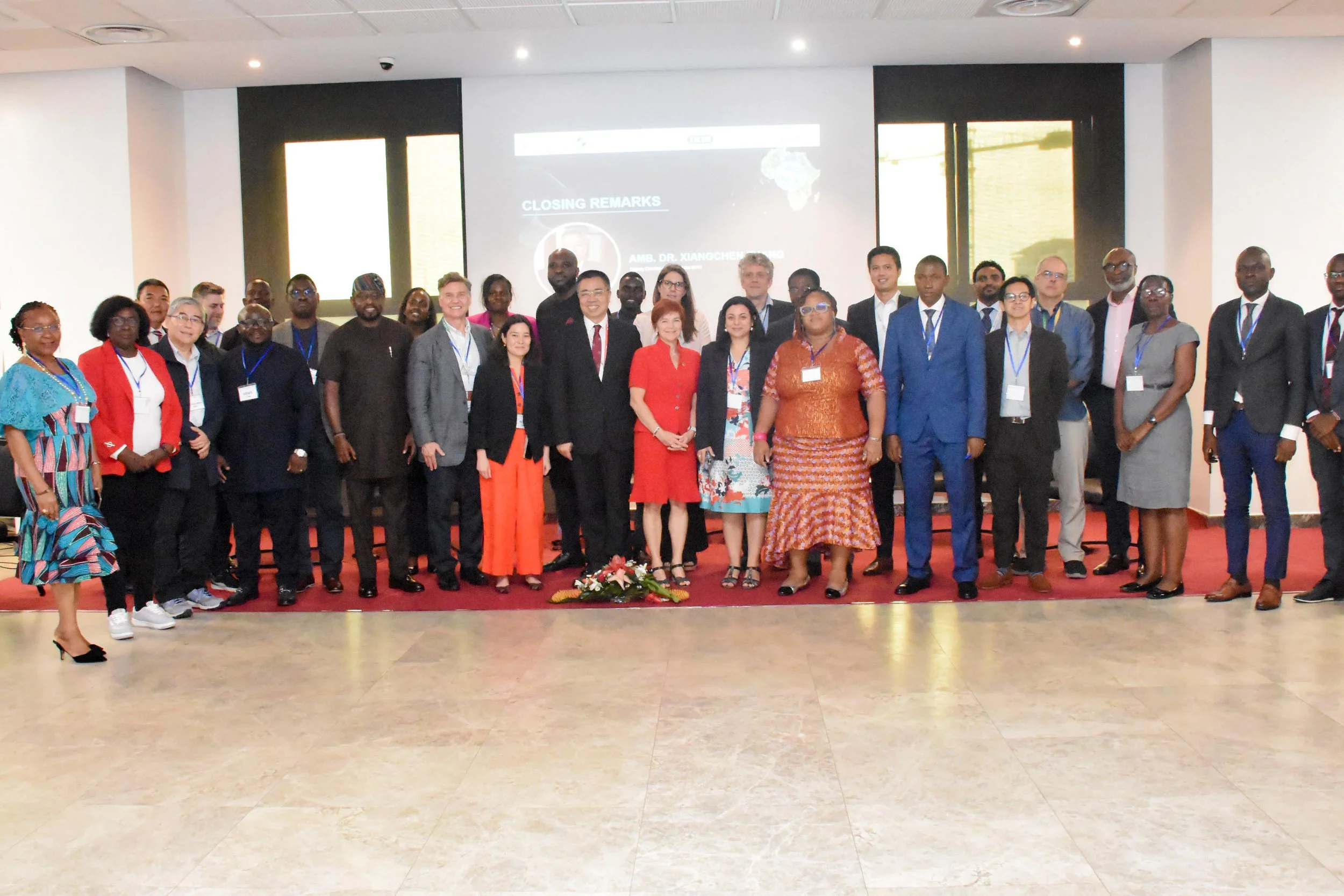
At MC14, we convened 60 thought leaders, academics, policymakers, civil society representatives, and business leaders from across the continent and the world for a High-level Workshop, Africa's role in shaping WTO reform for a sustainable and inclusive future, held in Yaoundé, Cameroon on March 24-25. The event was kicked off with a fireside chat with WTO DG Dr. Ngozi Okonjo-Iweala, and joined by H.E. Dr. Jumoke Oduwole MFR, the Federal Minister of Industry, Trade and Investment of Nigeria. Remaking Trade Project co-founder, Jan Yves Remy, now on leave from the project as a member of the WTO Director-General’s cabinet, also helped set the stage. See some of the photos from the wonderful event!
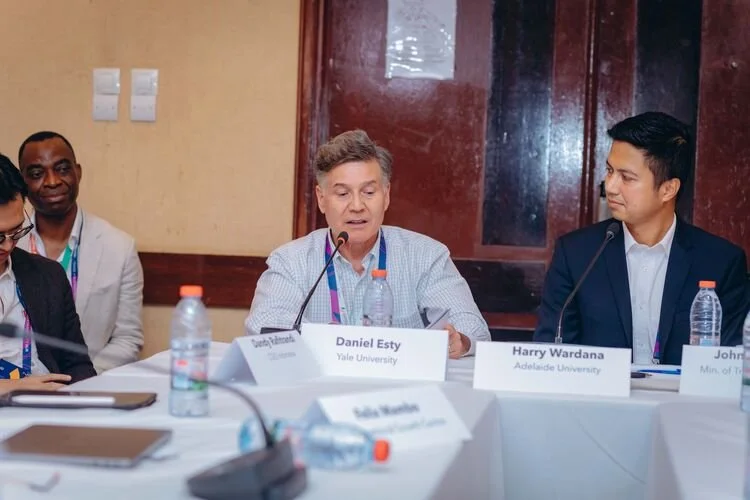
We also participated in the IISD Trade and Sustainability Hub where we co-hosted a session, "Reimagining global trade governance for an inclusive and sustainable future,” with ODI Global and SETANI UGANDA. Remaking Trade Project co-founder/Center Director Dan Esty also appeared on "Driving Decarbonisation for Development: The role of industrial policy and regional trade agreements,” organised by Institute for International Trade University of Adelaide and CSIS Indonesia. Check out some photos from the event!
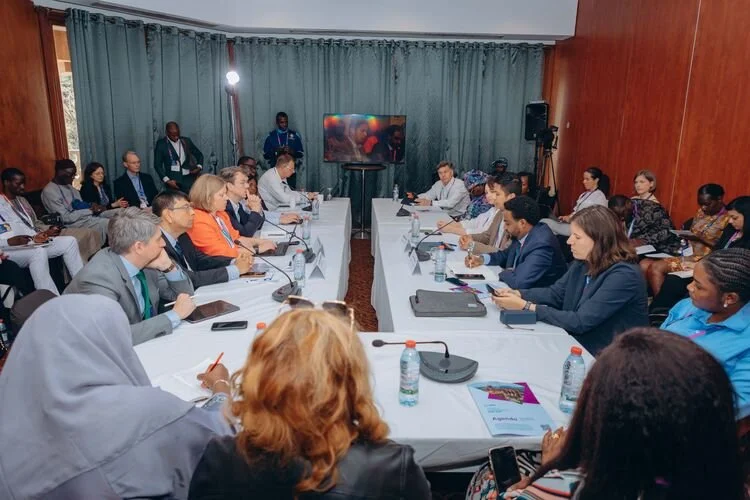
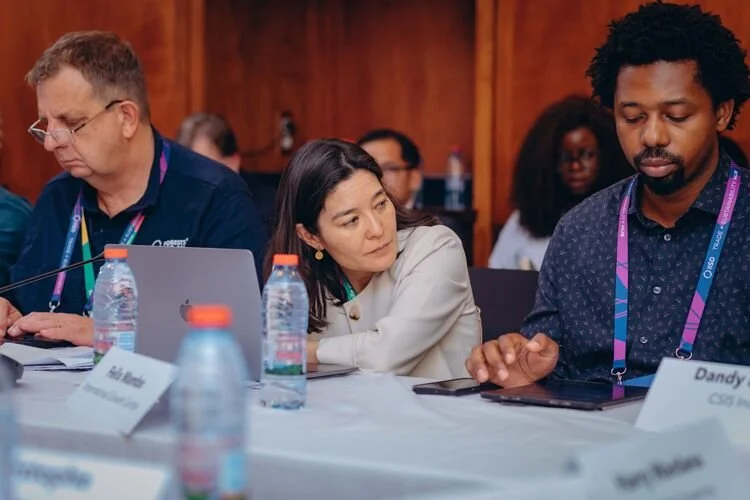
As we reflect on the meeting outcomes and the conversations we had there, some key themes that emerged:
Despite the challenges of building consensus at this moment of geopolitical realignment, there is widespread commitment to the importance of a fair, rules-based trade system, anchored by a functional WTO. There is also increasingly alignment that a core goal of this system should be improving the lives of people by advancing sustainable development, as noted by many parties.
Regional integration and national policy are critical to accelerating sustainability-aligned trade that can deliver development dividends, but for the trade system to work as a whole, we need a functioning and fair WTO.
Africa has a critical role to play in designing and delivering a better, fairer trade system of the future. There is energy, talent and political will across the continent to capitalize on its green competitive advantages, but it needs to move quickly to become trade-ready, by implementing the Africa’s Green Industrialisation Initiative and the AfCTA.
Prior to MC14, we also collaborated with Brookings on a paper and op-ed, outlining a constructive pathway to WTO reform.
In addition, Remaking Trade Project Senior Advisor Ese Owie wrote an op-ed on Africa’s role in WTO reform.